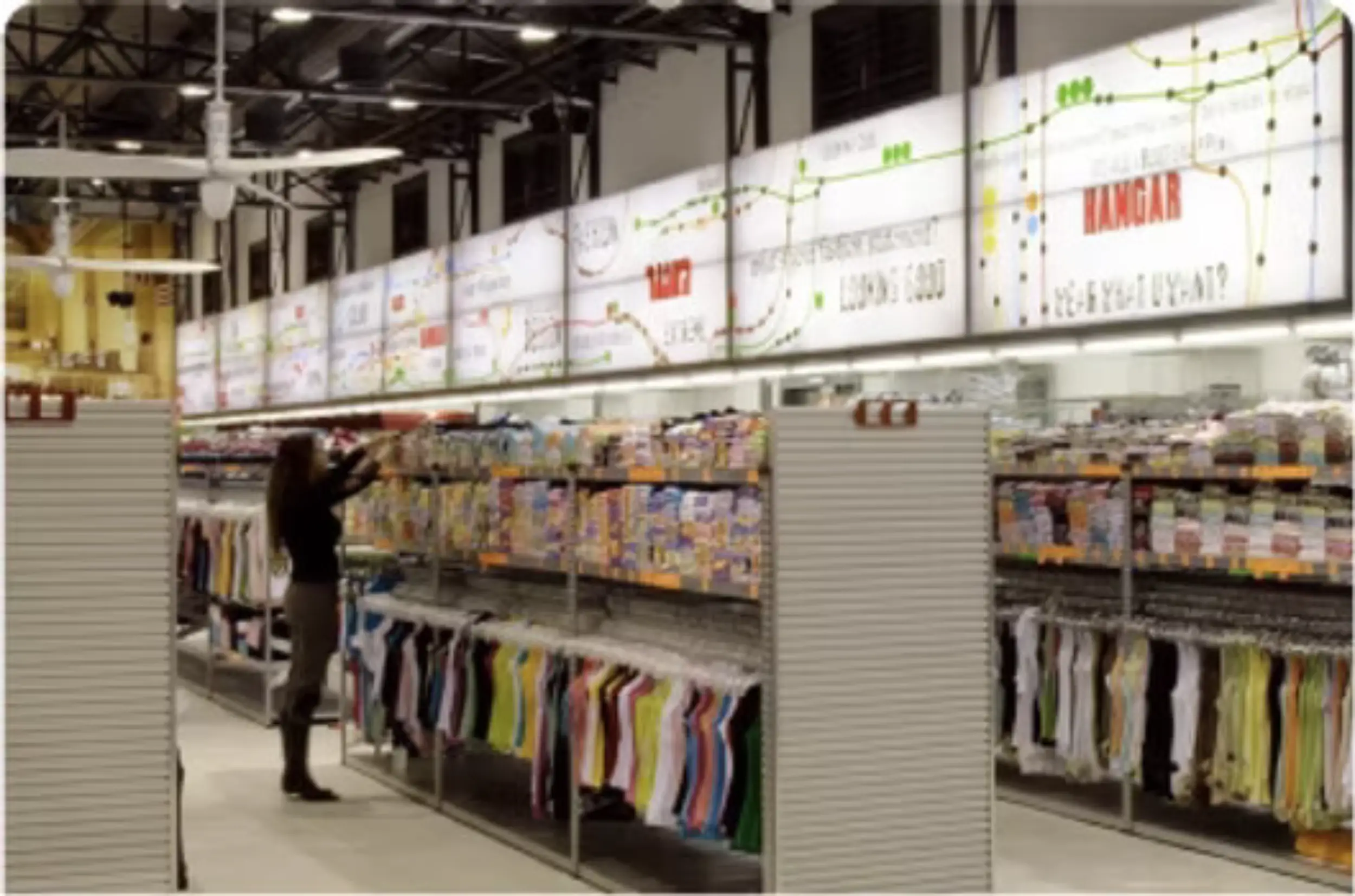
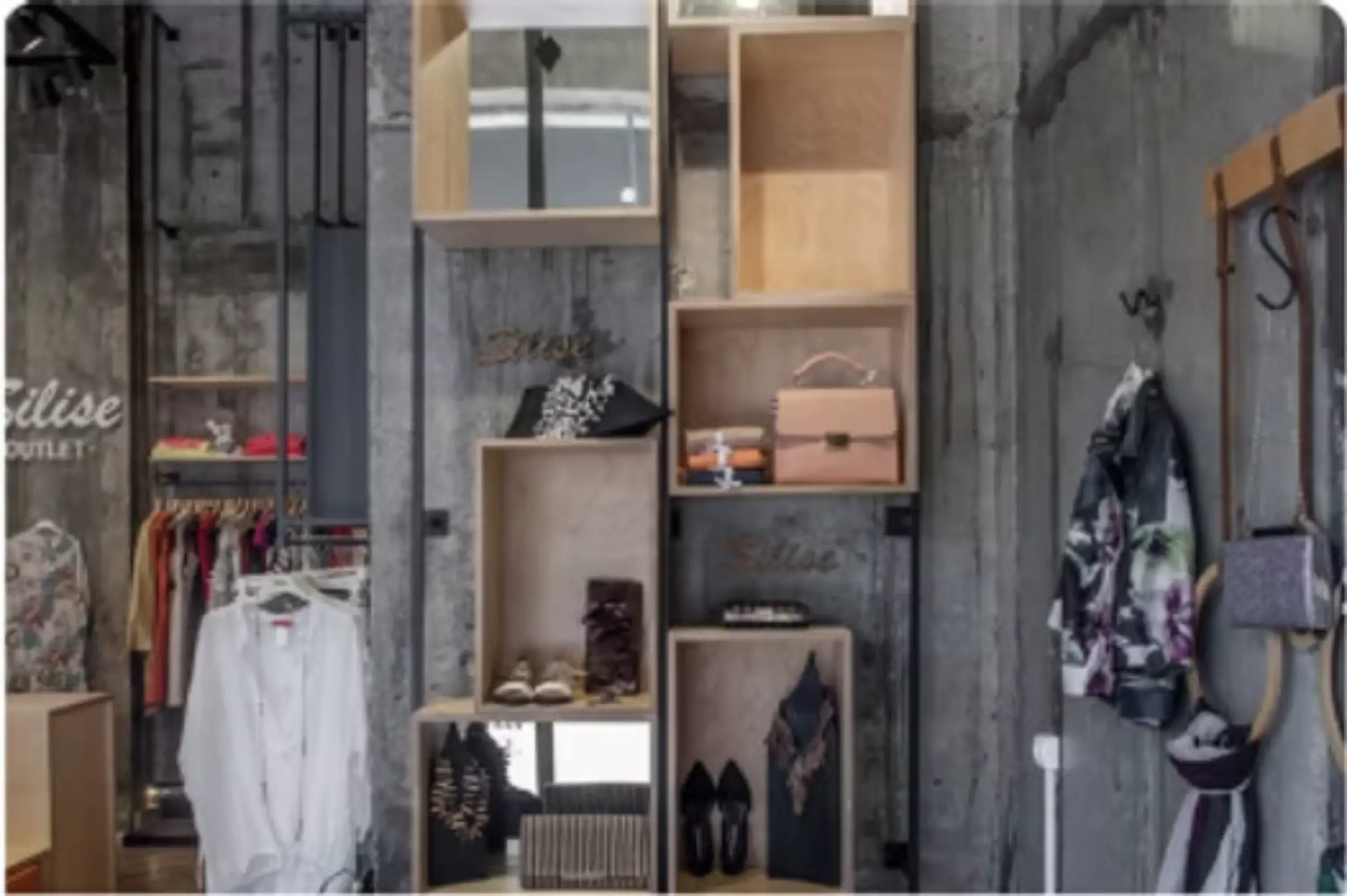
Interior design plays a critical role in creating a cohesive brand experience in retail fashion.
A well-designed store can not only attract customers and improve their shopping experience, but it can also support and reinforce the brand’s image and message.
Effective retail fashion interior design takes into account all aspects of the store, from the layout and flow of the space to the use of color, lighting, and visual elements.
By carefully considering the overall aesthetic and ambiance of the store, a designer can create a cohesive experience that is consistent with the brand’s identity and resonates with its target audience.
One key element of a cohesive brand experience in retail fashion is the use of consistent branding and visual elements throughout the store. This can include the use of the brand’s logo, color palette, and font on signage, displays, and other visual elements.
By creating a cohesive and consistent look and feel, a retail fashion store can reinforce its brand and make a lasting impression on customers.
In addition to consistent branding, a cohesive brand experience in retail fashion also involves creating a cohesive atmosphere and ambiance.
This can be achieved through the use of lighting, color, and layout to create a visually appealing and inviting space.
For example, warm, soft lighting can create a relaxing and welcoming atmosphere, while bold colors can help to draw attention to key areas of the store and create a lively and energetic vibe.
The use of technology can also support a cohesive brand experience in retail fashion.
Interactive displays and virtual try-on experiences can enhance the shopping experience and provide customers with a more engaging and personalized experience.
By incorporating technology in a way that supports the brand’s message and image, a retail fashion store can create a cohesive and engaging brand experience.
On the other hand, when the customer journey and brand identity are not cohesive, things can go wrong.
What happens If a retail fashion store has a disjointed brand experience?
This can happen often and have many potential negative effects.
Here are a few examples:
1. Confusion and frustration among customers:
If a store’s branding and visual elements are inconsistent, customers may feel confused or frustrated when shopping. For example, they may see different fonts, colors, or logos in different parts of the store, which can be disorienting and make it difficult to understand the store’s brand identity.
This can lead to a negative shopping experience and potentially cause customers to avoid the store in the future.
2. Loss of brand recognition and loyalty:
A disjointed brand experience can also damage the store’s reputation and reduce brand recognition and loyalty. If customers have a negative experience or don’t understand the store’s brand, they may be less likely to remember the store and choose it over competitors in the future. This can lead to a loss of sales and revenue for the store.
3.Damage to the brand’s image and reputation:
A disjointed brand experience can also harm the store’s overall image and reputation. If customers have a negative experience or don’t understand the store’s brand, they may spread negative word-of-mouth, which can damage the store’s reputation and make it less appealing to potential customers. This can be particularly damaging in the highly competitive world of retail fashion, where image and reputation are key factors in attracting and retaining customers.
Now, let’s discuss about the brand that are doing this right. You probably know them 🙂 here are a few examples of retail fashion brands with strong identities:
1.Zara:
Zara is a Spanish clothing and accessories brand known for its fast fashion approach, offering stylish and trendy clothes at affordable prices.
The brand’s identity is characterized by clean, minimalist designs and a focus on quality and attention to detail. This is reflected in the brand’s interior design, which features sleek, modern stores with a focus on displaying the clothing in an attractive and easy-to-browse manner.
2.H&M:
H&M is a Swedish clothing brand that offers fashionable and affordable clothes for men, women, and children. The brand’s identity is characterized by a commitment to sustainability and an edgy, fashionable aesthetic.
This is reflected in the brand’s interior design, which features modern and stylish stores with a focus on sustainability, including the use of recycled materials and energy-efficient lighting.
3.Uniqlo:
Uniqlo is a Japanese clothing brand known for its high-quality, affordable basics. The brand’s identity is characterized by simplicity, functionality, and attention to detail.
This is reflected in the brand’s interior design, which features clean, minimalist stores with a focus on showcasing the clothing in a straightforward and easy-to-browse manner.
4.Abercrombie & Fitch:
Abercrombie & Fitch is an American clothing brand known for its casual, preppy aesthetic and iconic logo.
The brand’s identity is characterized by a laid-back, youthful vibe and a focus on quality and comfort. This is reflected in the brand’s interior design, which features stores with a casual, relaxed atmosphere, including dim lighting, comfortable seating areas, and a signature scent.
5.Nike:
Nike is an American sports and fitness brand known for its high-performance athletic wear and equipment. The brand’s identity is characterized by a commitment to innovation, performance, and inspiration.
This is reflected in the brand’s interior design, which features modern, high-tech stores with a focus on showcasing the brand’s products in an engaging and interactive manner.
6.Louis Vuitton:
Louis Vuitton is a French luxury fashion brand known for its iconic monogram logo and high-quality, stylish products.
The brand’s identity is characterized by a commitment to luxury, quality, and craftsmanship. This is reflected in the brand’s interior design, which features elegant, sophisticated stores with a focus on showcasing the brand’s products in a luxurious and inviting atmosphere.
In conclusion, the importance of a cohesive brand experience in retail fashion cannot be overstated.
By carefully considering the overall look and feel of the store, designers can create a space that not only attracts customers, but also supports and reinforces the brand’s identity and message.
A cohesive brand experience can increase customer loyalty and sales, and can help to protect the store’s reputation and image.
Effective retail fashion interior design takes into account all aspects of the store, from the layout and flow of the space to the use of color, lighting, and visual elements.
By incorporating consistent branding and a cohesive atmosphere and ambiance, a retail fashion store can create a cohesive brand experience that resonates with its target audience and enhances the shopping experience.
Examples of successful retail fashion stores with cohesive brand experiences include Zara, H&M, and Uniqlo.
These brands have developed strong identities that are reflected in their interior design and overall brand experience, which has helped them to attract and retain customers.