Is the future of retail online or in-store?
Well, both actually. The true future of retail is in the combination of online and in-store shopping.
With the advancing technology, there are more ways than ever for customers to make purchases.
Because of the ever-improving technology, retail services are constantly changing, trying to keep up.
Some customers prefer shopping online, while others prefer more traditional in-store shopping.
For a retail business to thrive, it must adopt both aspects of the business and provide customers with a consistent experience wherever they engage.
That is where omnichannel retail comes into play – an approach to deliver a consistent and pleasant experience to your customers everywhere you sell.
Let’s dive in and find out more about this revolutionary retail strategy.
Defining Omnichannel Retail.
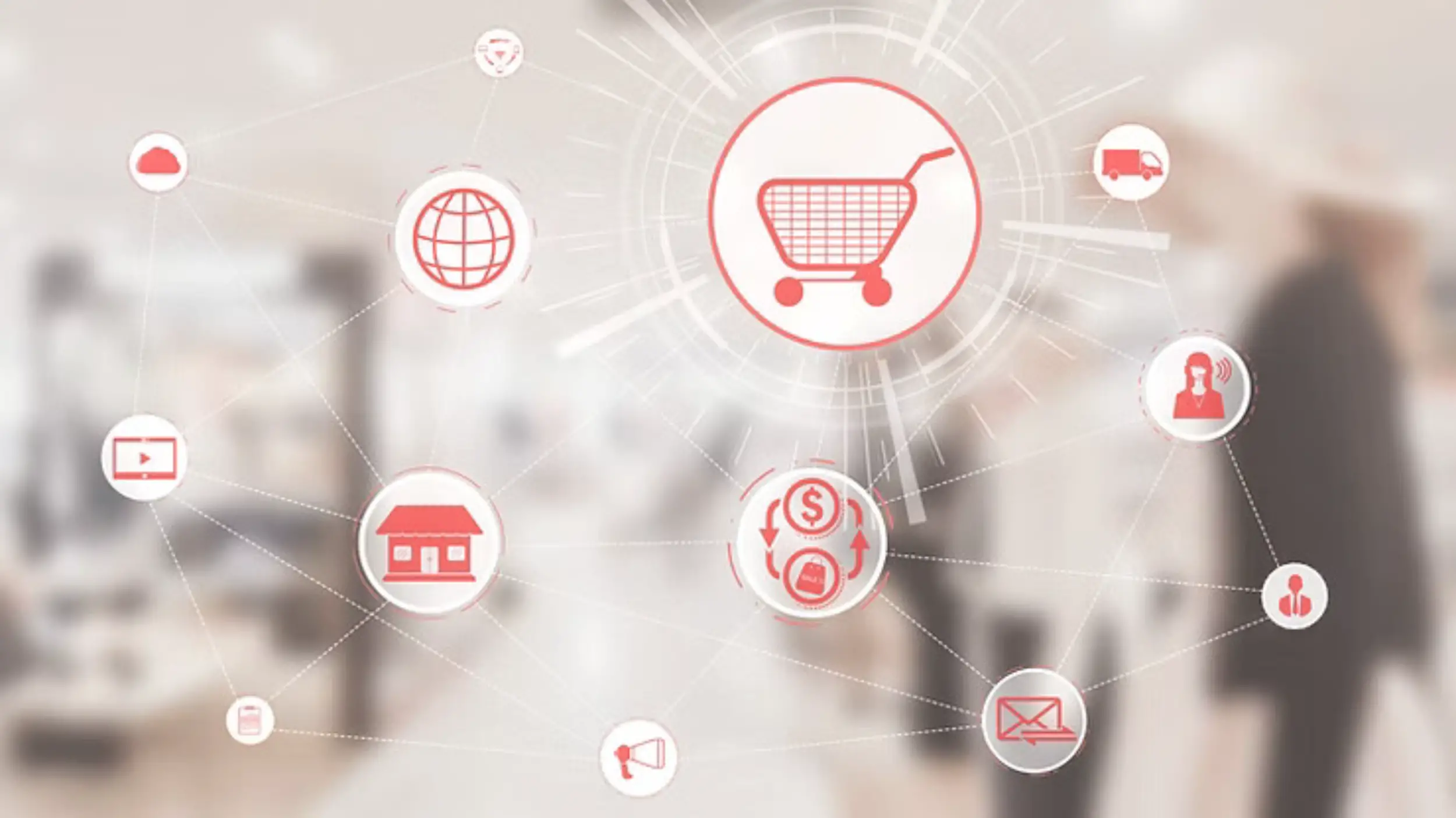
An omnichannel strategy means offering your consumers a completely integrated shopping experience, from the physical store to the virtual store, including mobile applications and the entire spectrum of offline and online options.
It is a strategy in which businesses interact with customers through various digital and physical touchpoints.
As clients move across multiple channels and apps, the data follows them.
This results in a consistent, on-brand experience from start to finish.
But why is it important?
Customers these days shop through a variety of channels, including conventional brick-and-mortar stores, the internet, social media, and smartphone apps.
These customers expect seamless journeys through the channels, with most expecting consistent interactions across departments.
These days, customers also expect that the omnichannel retail process would cover product delivery options such as curbside pickups, lockers, buying online and picking up in-store (BOPIS), and all other touchpoints in their connection with a shop.
This is where an integrated omnichannel strategy comes to play. Retailers can provide hyper-convenient, personalized shopping experiences at every stage of the consumer journey, whether the client shops online, on their mobile device, or in-store.
Omnichannel retail aims to provide customers with seamless and personalized experiences at the precise moment of relevance.
The Benefits of Omnichannel Retail
In today’s retail environment, an omnichannel approach is increasingly becoming the norm.
The majority of businesses have begun or have already implemented an omnichannel system.
Businesses that have yet to consider an omnichannel strategy are driving in the slow lane and falling behind their competition.
Here’s why implementing an omnichannel retail strategy is the strategy of choice for most businesses:
1.Increase Customer Retention Rates
Customers want to shop in the most convenient way possible. So, an omnichannel experience is an ideal way to deal with the range of ways to make the experience convenient for them.
Making the purchasing process easier for customers ensures they return and purchase more.
An omnichannel experience is customer-centric, and it’s no surprise that customers love to do business with companies that put them in charge and center all of their strategies around them.
2.Improved Sales and Increase Revenue
Increased sales are a benefit that all retailers seek. Using an omnichannel approach is a brilliant way to boost revenue.
According to a Harvard Business Review study, omnichannel clients tend to spend 10% more online than single-channel customers. Leading retailers are concentrating their efforts on this sector.
This is because leading retailers focus on long-term success and an omnichannel strategy is a perfect way to achieve that.
3.Enhanced Customer Satisfaction
The omnichannel strategy does not simply go one way. It requires you to provide exceptional service to the customers through whichever channel they choose.
But this effort pays back.
Providing outstanding service to your consumers through whichever channel they prefer increases customer satisfaction and ensures that they return.
Omnichannel experiences are an excellent way to engage potential consumers, but you must listen to your customers and provide them with the service they need.
4.Increased References and Recommendations
Regardless of how much your business can spend on marketing and advertising, there is no advertisement like word of mouth. According to Forbes, a Nielsen survey found that 92% of customers trust recommendations from friends and family more than all other types of advertising.
This is when implementing an omnichannel approach pays dividends.
You may use this strategy to engage customers across a variety of popular platforms, engaging customers and boosting sales, and even paying customers to promote your business.
5.Improved Collection of Customer Data
To grow, a company must understand its target clients and tailor its services to them.
By using an omnichannel strategy, businesses will be able to monitor their customers across all channels. This helps in understanding them better.
Knowing your customers’ preferences, such as the product cards they have looked at and the offers they have clicked on, is essential for any business.
This also allows for greater customization of communications. It enables promotions tailored to each client, making them feel special. They’ll get the impression that you don’t just treat them like anybody else but that you know and care about them.
6.Increase Operational Efficiency
Businesses may enjoy enhanced operational efficiency by implementing an omnichannel strategy.
There is also cost-saving involved since businesses that use an omnichannel approach only need to gather a customer’s data once rather than at each touchpoint.
Creating a comprehensive viewpoint also eliminates the need for businesses to worry about developing and implementing strategies for each channel.
Case Studies: Omni-channel Retail in Fashion
For fashion brands with a strong omnichannel presence, their efforts are really paying off! Brands with a solid omnichannel strategy enjoy a much greater retention rate than those with a weaker strategy.
To better understand what omnichannel success actually looks like, we look at the examples of some fashion brands that best use this strategy.
1.Oasis Fashion Store
Oasis is a well-known fashion retail brand in the United Kingdom. They operate online and through 80 physical shops in the UK and Ireland, as well as 96 other sites worldwide.
What’s most fascinating is how they combine it all to give an authentic, all-around omnichannel experience. This makes them the ideal company to start our examples of businesses that use omnichannel strategy.
-
They highlight their prominent products on the website, which consumers may see or purchase online or at the nearby physical store.
-
You can use an iPad to browse products and make purchases in a physical store.
-
There is an inspired gallery area, which they use to demonstrate customer experience by integrating all user-generated looks.
-
They can also accept payments using the iPad, which improves the experience even further by eliminating the need to queue at the checkout.
-
They provide several home delivery choices. Everything is described simply on one page of their website.
Oasis is a company that serves as a great example of the utility of the omnichannel retail strategy.
2. Neiman Marcus
Neiman Marcus is a high-end fashion chain that sells everything from clothing and accessories to cosmetics, jewelry, and handbags.
They are a fantastic example of a trailblazing omnichannel retailer, pushing the industry forward with innovative, new methods to combine offline and online experiences.
Neiman Marcus uses the omnichannel retail strategy as well as any of our other examples.
-
They operate a retail chain throughout the United States.
-
Neiman Marcus has its own smartphone app.
-
They also have over 1.3 million followers on their shoppable Instagram.
-
The company also has a shoppable Pinterest account with over 10 million monthly unique visitors.
-
They’re also on the money when it comes to Facebook Ads—running cool carousel ads that show off relevant styles.
The most exciting aspect of Neiman Marcus’s omnichannel approach is how they leverage technology to bridge the online-offline divide.
If you visit one of their select US locations, you will be met with the opportunity to test out their groundbreaking ‘Memory Mirror.’
This is essentially a mirror with a camera attached to it. Enabling customers to:
-
View clothing in 3D and from various perspectives.
-
Save previous outfits, so they don’t forget what it looks like.
-
Share 3D photographs of them wearing outfits on social media and with their friends.
3. Sephora fashion store
A French cosmetics company that sells goods for both men and women. Sephora operates around 2,300 outlets in 33 countries.
They have done exceptionally well in the fashion industry by automating their sales process.
Sephora uses a chatbot that operates brilliantly across all channels, increasing revenues, providing a positive consumer experience, generating leads, and much more.
Sephora adopted a customer-centric strategy to integrate all channels and provide a seamless experience. The chatbot has the following features:
-
Customers may communicate visually with the chatbot at the Sephora fashion shop.
-
The chatbot recommends consumers based on their preferences and previous experiences.
-
Sephora chatbot delivers information such as order tracking, nearby locations, and easy-to-reach contact information.
You can observe the consistency and unified channel regardless of the channel you use.
Creating an Omnichannel Retail Strategy
Omnichannel retail is actually a sales approach that focuses on providing a similar customer experience regardless of whether the buyer purchases online, on a laptop, or in a physical shop.
Creating a tailored customer experience across all marketing and sales channels as part of an omnichannel strategy is also known as orchestration.
Specific strategies of orchestration may be used to establish Omnichannel retail services. These are.
1.Segment Your Customer
You can segment your consumer base in a variety of ways; you must evaluate which will work best for your company.
This market segmentation identifies unique groups within your target market so that you may further customize your product to them.
But why is this important in the development of omnichannel retail?
Segmenting your clients helps you design a better, more personalized plan to reach different groups instead of a broad, one-size-fits-all approach.
2.Standardize User Data
Retailers who can monitor their customers across many channels may offer a more personalized experience to their customers.
Businesses may use the omnichannel strategy to get insights on creating content and offers that encourage customers to buy more – not just online but also in physical stores.
Businesses cannot effectively access customer and sales information without data integration and aggregation from each retail platform.
Retailers should synchronize data across all channels to generate actionable insights and provide the best customer experience possible.
Companies must have a robust framework that can manage enormous volumes of data or risk having their websites fail.
3.Improve Customer Engagement Across All Channels
Following the development of these channels, companies should focus on increasing consumer interaction.
Increased customer involvement leads to the increased time spent on the site, frequently leading to more excellent conversion rates.
But how can companies improve customer engagement?
Companies may improve their engagement by providing discounts, communicating with consumers on social media, holding competitions, generating referrals, enhancing SEO scores, and developing customer-focused content.
4.Improve Customer’s Shopping Experience
This goes without saying, but improving your customer experience should be a focus in implementing an omnichannel retail strategy. Businesses must provide consistent customer experience across all platforms to see the best results of this retail strategy.
The Challenges of Omnichannel Retail
Despite its benefits to customers, creating a seamless omnichannel model for your retail business has its challenges. Some include;
1.Improper Data Synchronization
Mistakes are bound to happen with so much data to examine from so many sources. Without a proper omnichannel strategy in place, data loss and misinterpretation of customer trends, buying preferences, and patterns occur.
2.Conflict between Multiple Channels
All of your channels should be monitored equally; nevertheless, it is common for attention to be focused on one area, leaving others behind. This means that not all channels are completely integrated and have distinct control and distribution.
Prioritizing one channel over another is ineffective since it may result in missed orders.
In perfect omnichannel marketing, all channels should communicate with one another, so the customer has a seamless experience.
3.Ineffective Logistics
Returning an item and requesting a refund should be as simple and pleasant as making a purchase.
The goods may have arrived damaged, or they may have been the incorrect size, color, or style, as requested by the buyer.
An easy return procedure that is available from every channel and device is essential to maintain customer satisfaction.
Shipment status and tracking are crucial features that should be added, along with continual contact, to relieve your customer’s tension and keep them updated.
The Future of Omnichannel Retail
With the growing use of omnichannel retailing and its influence on customer experience and lifetime value, retail businesses have an obvious choice: keep up or fall behind.
Customers want the option and freedom to interact with your business wherever they choose, whether in-store or online.
It’s time to go “phygital.”
Phygital marketing combines digital and physical interactions to provide an immersive, engaging experience to customers who switch between brick-and-mortar and online shopping.
Omnichannel retail is here to stay and is where the future of shopping is headed.
FAQs about Omni-channel Retail
1.How is omnichannel retailing different from multichannel retailing?
The difference between omnichannel and multichannel marketing is the main point of your marketing plan.
Omnichannel refers to using all accessible media channels and is oriented around the consumer. In contrast, multichannel refers to using more than one channel centered around the product or service.
2.What are the best tips and practices for Omnichannel Retail?
Some of the best ways to enhance your omnichannel retail include:
1. Allow Reservation of Items
2.Provide Stock Updates in Real Time
3.Humanize the Digital Experience
4.Option to shop in-store and pay online
5.Use of showroom
3. What are the cons of Omnichannel retailing?
While omnichannel is definitely the future of shopping. It presents challenges for retailers, like;
1.Having multiple channels leads to weaker margins. This is because maintaining each channel comes with its own cost, leading to a decrease in the margin.
2.More channels open the door to online competition. When you provide multiple sales channels, you have more competition. Customers who like something in your showroom may pull out their phone and compare it to other options available elsewhere.
3.Omnichannel relies on open communication. If there is no open communication between every sector, then the organization will most likely fail.
Key Takeaways:
That was a lot of information; let’s sum it up.
-
Omnichannel retail is the future of shopping. It is a sales strategy that allows customers to connect with many sales and media channels – from desktop to mobile to in-store.
-
It has a lot of benefits for the retailer, like driving more sales, improving customer retention and satisfaction, and enabling greater customization according to the customer.
-
Several retailers have successfully implemented the strategy. Examples include Sephora, Oasis, and Neiman Marcus.
-
While implementing an omnichannel retail strategy comes with its challenges, it is where the future of retail is headed.